


Creating effective video lessons no longer requires complex equipment or advanced technical skills. With a thoughtful lesson recording setup, clear lesson scripting, and today’s AI-powered video tools, educators can create engaging, professional-quality content with ease. Well-structured video lessons help students learn at their own pace while improving clarity, consistency, and retention. This step-by-step lesson recording guide walks you through the complete lesson recording process, from setting up your workspace and scripting with AI to recording, branding, editing, and publishing a polished, high-quality video lesson that keeps learners engaged.
Nearly 60% of students prefer learning through video-based learning rather than traditional teaching methods. Online video lessons allow learners to engage at their own pace while giving educators flexibility and reach. Using tools like an AI screen recorder or a free Loom alternative makes the recording process easier and more efficient. The key to success lies in creating clear, well-structured, and visually engaging lesson recordings.
Step
Key Focus
Why It Matters
1
Quiet lesson recording space
Ensures clear audio and minimizes distractions
2
AI lesson script creation
Keeps lessons structured, concise, and engaging
3
Voice-to-video recording tools
Reduces editing time and improves lesson flow
4
Video branding and visuals
Enhances professionalism and learner attention
5
Edit and publish lesson videos
Ensures clarity, quality, and accessibility
Your lesson recording environment plays a major role in how professional and engaging your educational video content appears.
Choose a quiet room away from background noise such as traffic, appliances, or foot traffic. A plain wall or clutter-free background helps keep students’ attention focused on the lesson video rather than distractions. Natural lighting works best face a window if possible or use soft, even lighting to avoid harsh shadows.
Position your camera at eye level to create a direct connection with viewers. Use a stable tripod or mount, and test your microphone to ensure clear lesson audio quality. Adding soft furnishings, curtains, or foam panels can help reduce echo and improve sound quality.
Pro Tip: Always record a short test clip before starting your lesson to check lighting, audio, and framing.
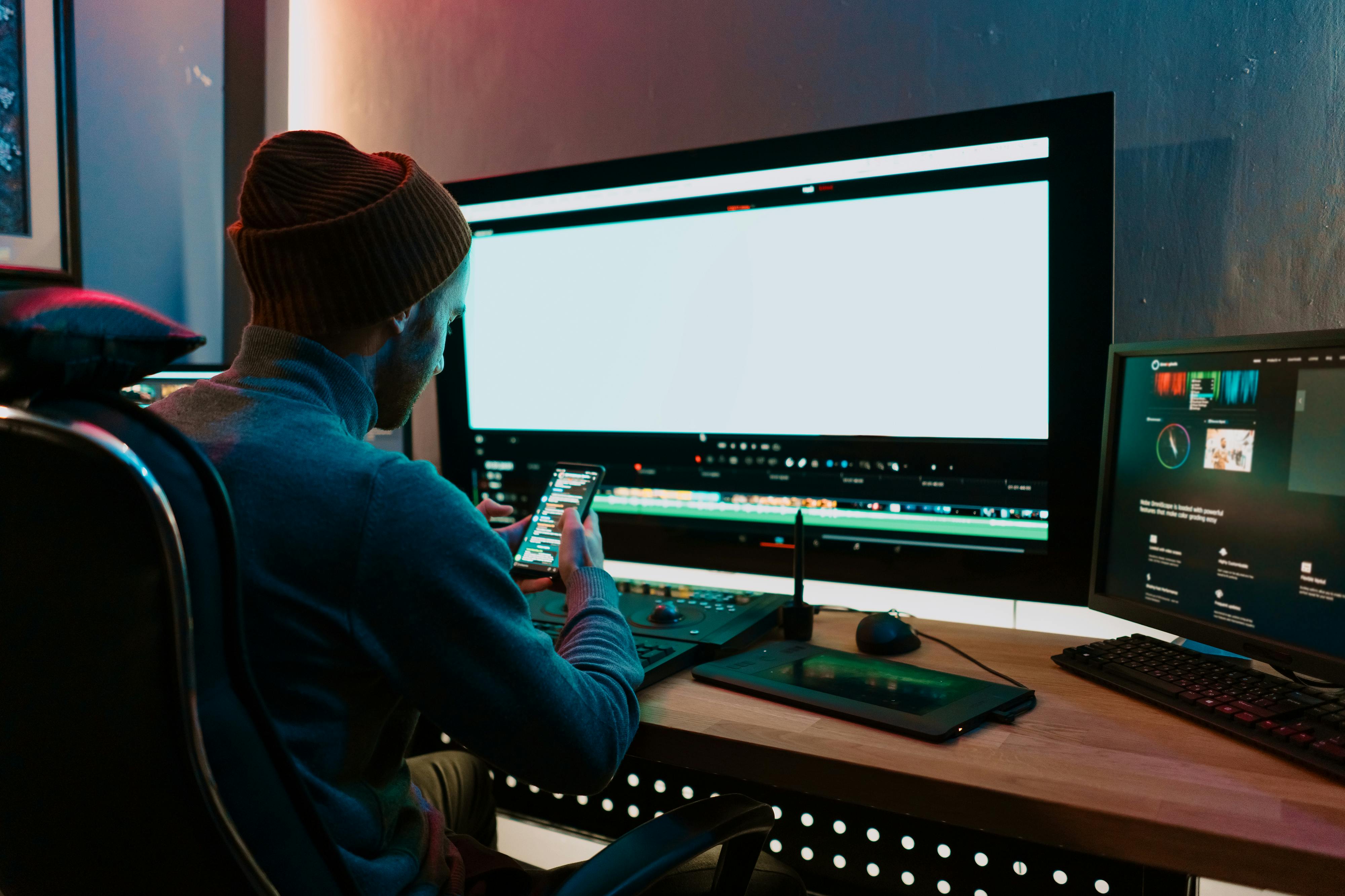
A clear lesson script keeps your instructional video organized and easy to follow. AI lesson planning tools can help turn lesson ideas into structured, engaging narratives.
Start by defining your learning objectives and target audience. Provide detailed prompts to the AI, including lesson length, difficulty level, tone, and key topics. For example, instead of saying “Create a marketing lesson” try:
“Write a 5-minute beginner-friendly script explaining digital marketing basics for small business owners, focusing on social media strategies.”
Break complex topics into smaller sections and generate scripts for each segment. Review the Automate lesson script carefully, adjust the tone, and add your personal teaching style and real-world examples.
Voice-to-video lesson recording tools simplify the recording process by automatically syncing your narration with visuals, text, and slides.
Speak naturally and maintain eye contact with the camera. These AI video recording tools match your voice with relevant on-screen elements, reducing the need for manual editing. Many platforms also offer real-time transcription, multilingual dubbing, and automatic slide synchronization.
This approach allows you to focus on teaching rather than technical production, resulting in engaging educational videos.
Pro Tip: Do a quick test recording to confirm audio levels and video clarity before producing the final lesson.
Strong educational video branding builds trust and elevates your online lesson videos.
Choose a consistent color palette, fonts, and design style that align with your personal or institutional brand. Add logos, watermarks, or subtle overlays to reinforce brand identity without overwhelming the content. Use clean transitions, simple animations, and supportive visuals that enhance learning.
Many AI video editing platforms include templates and design suggestions to help you create professional lesson videos quickly.
Pro Tip: Watch your video from a student’s perspective and remove any visuals that don’t directly support learning outcomes.
Before publishing, review your entire recorded lesson video carefully. Look for unclear explanations, pacing issues, or technical glitches. Use video editing tools for educators to trim unnecessary sections, improve audio clarity, and ensure smooth transitions.
AI-powered video editors can clean background noise, suggest cuts, and generate subtitles for accessibility. When publishing, choose a lesson video hosting platform that aligns with your educational goals and offers privacy controls, sharing options, and engagement tracking.
Pro Tip: Watch the final video as if you’re a student. If it’s clear and engaging for you, it will be for your learners too.
Producing professional lesson videos takes time—but it doesn’t have to be complicated. Boom simplifies the entire process with AI-powered tools designed specifically for educators. From auto-scripting and voice-to-video recording to instant on-brand templates, Boom lets you focus on teaching while the platform handles the technical work.
Boom’s async-first approach means no scheduling hassles—record and share lessons whenever it works for you. With AI voiceovers and multilingual dubbing, you can effortlessly reach students around the world.
Visit Boom to start creating polished, engaging lesson videos in minutes.
Take control of your teaching time and say goodbye to hours of editing and reshoots.
How do I create a quiet recording workspace?
Choose a room away from noise, use a plain background, and rely on natural or soft lighting for the best results.
What should my lesson script include?
Clearly define learning objectives, key points, and audience level. AI tools work best with detailed prompts.
What features should a voice-to-video tool have?
Look for automatic audio-visual syncing, transcription, and slide synchronization to minimize editing.
How can I improve branding in my videos?
Use consistent colors, fonts, and logos while keeping visuals simple and supportive of learning.
What should I check before publishing a lesson?
Ensure clarity, smooth pacing, clean audio, and a student-friendly viewing experience.
